
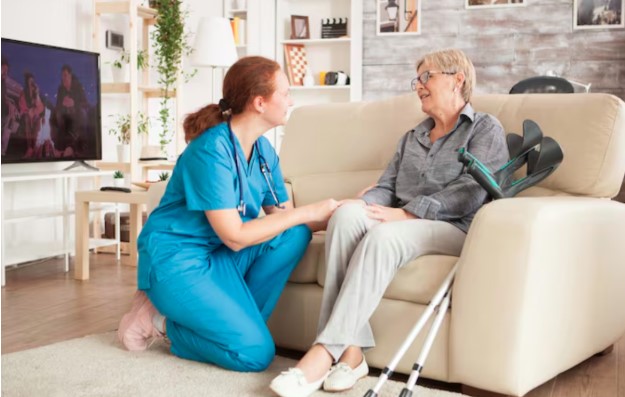
As the global population ages, the desire for seniors to remain in their own residences has become a significant priority for families. Transitioning into a facility can be a jarring experience that disrupts a lifetime of habits and emotional connections.
Professional assistance provided within the residence offers a compassionate alternative that balances the need for medical or physical support with the comfort of familiar surroundings.
This personalized approach to aging ensures that individuals can maintain their dignity while receiving the specific help they require. Here are five compelling benefits of choosing specialized home care services for the elderly members of your family.
1. Preservation of Independence and Autonomy
The most significant benefit of receiving assistance at home is the ability for seniors to maintain control over their daily lives. In a facility, schedules for eating, sleeping, and socializing are often dictated by institutional needs. However, with professional home care, the individual decides their own routine.
This sense of agency is vital for mental health, as it prevents the feelings of helplessness that can sometimes accompany the aging process. Remaining in a space where they have established their own rules allows seniors to feel more like themselves.
2. Personalized and One on One Attention
In traditional care settings, staff members are often responsible for multiple residents at once, which can lead to generalized care. One of the primary reasons families opt for home care is the guarantee of dedicated, one on one attention.
The caregiver can focus entirely on the specific needs, preferences, and medical requirements of a single individual.
This personalized focus ensures that any changes in physical or cognitive health are noticed and addressed immediately, providing a level of safety that is difficult to replicate in a group environment.
3. Enhancing Safety and Reducing Injury Risks
Falls are a leading cause of injury among seniors, and a familiar environment is often safer than a new one. Caregivers can perform safety assessments of the residence, identifying potential hazards like loose rugs or poor lighting.
By providing physical support during mobility and assistance with daily tasks, home care professionals significantly reduce the likelihood of accidents.
Having a reliable person present to help with navigation or transfers ensures that the senior can move through their home with confidence and security.
4. Emotional Comfort and Familiar Surroundings
There is an undeniable psychological benefit to being surrounded by the memories and belongings accumulated over a lifetime. Living among cherished items and in a neighborhood they know provides a sense of peace that no clinical setting can offer.
This emotional stability is particularly important for those experiencing early stages of memory loss, as familiar cues can reduce confusion and anxiety.
The presence of a compassionate caregiver within this environment creates a supportive atmosphere where the individual feels loved and understood.
5. Support with Nutrition and Medication Management
Maintaining a healthy diet and adhering to complex medication schedules can become challenging for seniors living alone.
Caregivers play a crucial role in preparing nutritious meals that cater to specific dietary restrictions, such as low sodium or diabetic friendly options.
Furthermore, they provide essential reminders for medication, ensuring that doses are taken accurately and on time. This proactive management prevents complications related to malnutrition or medication errors, which are frequent causes of hospital readmissions among the elderly.